
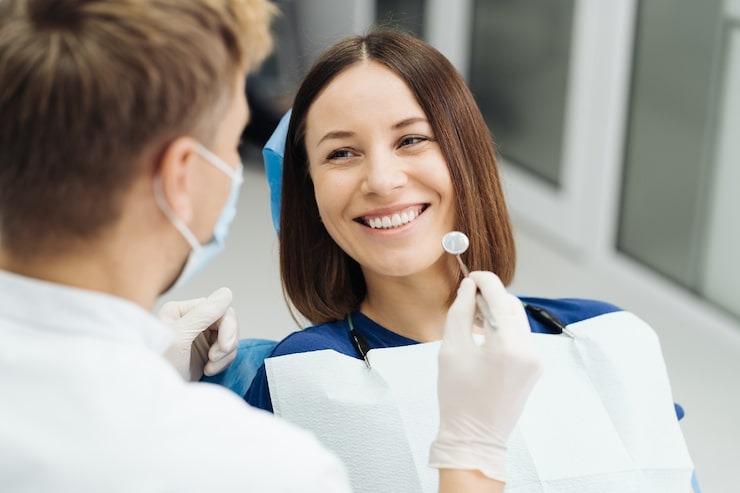
Dental Bridges Cherry Hill – Restore Your Smile Today
Missing teeth can affect more than just your appearance, they can impact chewing, speaking, and overall oral health. Fortunately, dental bridges provide an effective solution to restore your smile, maintain proper alignment, and improve function. If you are seeking dental bridges Cherry Hill NJ, understanding the procedure, types, costs, and care is essential to making the best decision for your oral health.
Dental bridges not only restore the aesthetics of your smile but also prevent surrounding teeth from shifting into empty spaces. Over time, this shifting can cause bite problems, jaw discomfort, and further tooth loss. Bridges serve as a practical and reliable solution for adults dealing with missing teeth, combining durability and a natural appearance to enhance both oral function and confidence.
Need immediate solutions for missing teeth? Our emergency dentist in Cherry Hill NJ is ready to restore your smile and guide you through the best dental bridge options today.
What Are Dental Bridges?
A dental bridge is a prosthetic device designed to fill the gap created by one or more missing teeth. It “bridges” the space between healthy teeth or implants, restoring your ability to chew, speak, and smile confidently. Typically, a dental bridge consists of crowns placed on the teeth adjacent to the gap (called abutment teeth) with a false tooth (pontic) in between.
The primary benefit of a bridge is the preservation of the alignment of your natural teeth. When a gap is left untreated, nearby teeth can drift, leading to bite issues and jaw pain. Dental bridges maintain structural integrity and prevent further dental complications, making them both a cosmetic and functional solution.
Why Consider Dental Bridges?
Dental bridges are often recommended for adults who have lost one or more teeth due to injury, decay, or other dental issues. Missing teeth can affect speech, create difficulties in eating certain foods, and impact self-confidence. Bridges restore your ability to enjoy meals, speak clearly, and smile without hesitation.
Beyond aesthetics, bridges also support facial structure. Missing teeth can cause a sunken appearance over time, making the face look older. By restoring gaps with bridges, you help maintain the natural contours of your face. Bridges are a long-term investment in both oral health and overall appearance, offering benefits that extend beyond the smile.
Types of Dental Bridges
When exploring dental bridges Cherry Hill, it’s important to understand the types of bridges available, as each has unique advantages depending on your needs.
Traditional bridges are the most common. They involve creating crowns for the teeth on either side of the gap, which support the pontic. Traditional bridges are strong and reliable, especially when the adjacent teeth are healthy and capable of supporting crowns.
Cantilever bridges are used when only one tooth is available next to the gap. While less common, they can be an effective solution in specific cases.
Maryland bridges, also known as resin-bonded bridges, use a metal or porcelain framework bonded to the back of adjacent teeth. This option preserves the natural teeth structure, as minimal preparation is needed.
Implant-supported bridges combine dental implants and pontics, providing a highly stable and long-lasting solution. They are particularly effective when multiple teeth in a row are missing, offering durability comparable to natural teeth.
Choosing the right type of bridge depends on the location of the missing tooth, the health of surrounding teeth, and patient preference. Your dentist will guide you in selecting the best option for your smile and lifestyle.
The Dental Bridge Procedure
The process of getting a dental bridge typically involves multiple visits. During the first appointment, the dentist prepares the abutment teeth by reshaping them to accommodate crowns. Impressions are then taken to create a custom bridge that fits perfectly and aligns with your bite.
Temporary bridges may be placed while the permanent one is being fabricated, protecting the exposed teeth and gums. Once ready, the permanent bridge is cemented into place, restoring both functionality and aesthetics.
Most patients adapt quickly to their new bridge, experiencing improved chewing ability and confidence. Follow-up visits are important to monitor the fit and health of the surrounding teeth and gums.
Cost of Dental Bridges
The cost of a dental bridge can vary significantly depending on several factors. The type of bridge, materials used, and complexity of the procedure all influence the final price. Traditional bridges are typically more affordable, while implant-supported bridges involve a higher investment due to the surgical placement of implants.
Dental insurance may cover a portion of the cost, particularly if the bridge is deemed medically necessary to restore oral function. Many dental offices also offer financing options, allowing patients to invest in their smile without financial strain. While cost is an important consideration, the long-term benefits of restored function, aesthetics, and oral health make bridges a worthwhile investment.
Caring for Your Dental Bridge
Proper care is essential to prolong the life of your dental bridge. Although the bridge itself cannot decay, the surrounding natural teeth and gums remain susceptible to cavities and gum disease. Brushing at least twice a day and cleaning carefully around the bridge helps prevent plaque buildup.
Rinsing with an antimicrobial mouthwash can reduce bacteria and maintain gum health. Regular dental checkups allow your dentist to monitor the bridge, check for wear, and ensure the surrounding teeth remain strong. Avoiding hard or sticky foods helps prevent damage and ensures the bridge remains secure.
With consistent oral hygiene and routine professional care, dental bridges can remain functional and beautiful for many years.
Benefits of Dental Bridges
Dental bridges offer more than just cosmetic improvement. By restoring missing teeth, bridges maintain proper bite alignment, preventing excessive stress on surrounding teeth and jaw joints. They improve chewing efficiency, allowing patients to enjoy a wide variety of foods.
Bridges also support facial structure, preventing the sunken appearance that often occurs with missing teeth. For many patients, the combination of aesthetic and functional benefits contributes to improved self-esteem and quality of life. Bridges are a versatile solution for anyone looking to restore their smile and oral health simultaneously.
Looking for an expert Cosmetic Dentistry in Cherry Hill NJ? Our team provides high-quality dental bridges and other restorative solutions to enhance both the appearance and function of your smile.
Potential Risks and Complications
While dental bridges are generally safe and effective, some risks exist. Poor oral hygiene can lead to gum disease or decay in the abutment teeth. Bridges may loosen over time if the supporting teeth weaken or the fit changes.
It’s important to be mindful of symptoms such as discomfort, sensitivity, or movement around the bridge. Prompt consultation with your dentist ensures any issues are addressed early, preventing further complications. Adopting proper oral care and attending regular dental appointments are key to avoiding these risks.
Lifestyle Considerations for Bridge Success
To maximize the lifespan of a dental bridge, supportive lifestyle habits are crucial. Avoid chewing hard objects like ice or pens, which can damage the bridge. Limiting sugary foods reduces the risk of decay around abutment teeth, and quitting smoking improves gum health, supporting the bridge’s longevity.
A balanced diet rich in vitamins and minerals strengthens bone and gum tissue, while staying hydrated supports saliva production, which naturally protects oral health. Incorporating these habits ensures that your bridge continues to function effectively and looks natural for many years.
Long-Term Outlook
With proper care, dental bridges can last anywhere from 10 to 15 years or longer. Regular dental visits, diligent cleaning, and healthy lifestyle choices all contribute to long-term success. By addressing missing teeth promptly, you protect your bite, preserve your facial structure, and maintain a confident smile.
Dental bridges represent a reliable, aesthetically pleasing solution for restoring oral function and beauty. They are a practical investment in your long-term oral health and overall quality of life.
Restore your smile today, Schedule an Appointment with our Cherry Hill team to explore the best dental bridge options for your needs.
FAQs About Dental Bridges
1. How long do dental bridges last?
With proper care, dental bridges typically last 10 to 15 years, and sometimes longer with excellent hygiene and routine checkups.
2. Can I eat normally with a dental bridge?
Yes. Bridges allow you to chew and eat normally. Initially, soft foods are recommended, then you can return to your usual diet.
3. Are dental bridges painful?
Most patients experience minimal discomfort during the procedure. Any soreness usually resolves quickly after placement.
4. How do I clean around a dental bridge?
Brush twice daily and clean carefully around abutment teeth. Interdental brushes or water flossers help reach difficult areas.
5. Are dental bridges covered by insurance?
Coverage varies by plan. Many insurance providers cover part of the cost if the bridge is medically necessary.